The Rise of AI Assistants in Everyday Life
From waking to sleeping, our daily lives are permeated with the application of artificial intelligence (AI) technology. Continuous technological advancements have made human-computer interaction more convenient and our lives more intelligent. The importance of AI in everything from housework to travel planning is undeniable; it not only creates smarter ways of working but also shapes entirely new lifestyles, becoming a crucial tool for people pursuing a better life. It can understand your thoughts, handle complex tasks, and even explore unknown scientific fields. The potential of AI is gradually being unleashed, becoming a new driving force for social progress.
The Essence and Applications of Artificial Intelligence
The Potential of Technology for Good
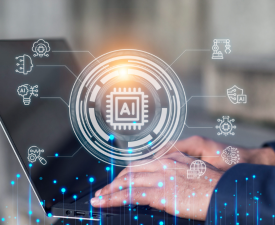
From a technical perspective, the "wisdom" exhibited by AI originates from human design. Its essence remains rooted in mathematics and logic, adept at following established rules, and reliant on the guidance of "empiricism." AI's "wisdom," stemming from human design, demonstrates enormous potential in promoting accessibility and inclusive sharing. However, how AI functions effectively depends on the people using it and whether value rationality can effectively guide instrumental rationality. In caring for special groups, people are consciously using artificial intelligence (AI) technology to develop barrier-free and inclusive products. To bridge the digital divide, people are also leveraging AI to increase the supply of science popularization services, achieving universal access and sharing.
Applications of Artificial Intelligence in Smart Living
Smart Home
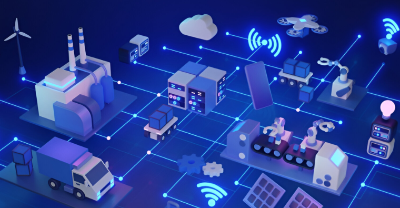
Modern home appliances have fully integrated AI technology. For example, smart home systems can monitor your home's temperature, lighting, security, music, and appliances in real time, all remotely controlled via mobile applications. Simultaneously, smart home cameras and sensors can automate processes when you leave home, such as activating alarms or reducing appliance power. This not only improves home security and quality of life but also creates new low-cost, low-energy consumption models in consumer purchasing habits, hygiene, and energy use.
Social Media
Social media platforms, considering people's aesthetic needs and auditory range, are beginning to apply AI technology to recommend suitable content and advertisements based on how users have interacted with different types of posts in the past. AI can also be used for voice and image analysis, automatically recognizing faces and voices; this authentication method is widely used on social media platforms. AI's voice recognition capabilities are helping to develop new social media features, such as voice chat, voice search, and voice wake-up.
Virtual Personal Assistants
Virtual personal assistants are connecting our lives more closely with technology. For example, Google Assistant helps us perform various tasks through voice interaction, such as scheduling appointments, sending text messages, querying information, listening to music, setting reminders, opening results, and navigation. People can also improve personalized services based on their usage experience, such as rating their satisfaction with a particular answer provided by Google Assistant. Virtual personal assistants can quickly perform many tasks, giving consumers more leisure time.
Transportation
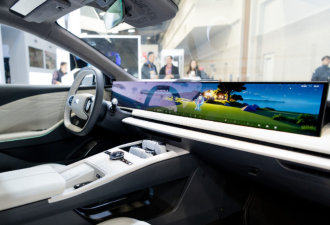
In the transportation sector, artificial intelligence technology has been applied to intelligent traffic management and autonomous driving. Through intelligent traffic lights and intelligent traffic management systems, intelligent control of traffic flow can be achieved, improving road efficiency and reducing traffic congestion.
Health Management and Healthcare
The application of AI in the medical field is also constantly expanding. By analyzing large amounts of medical data, AI can help doctors diagnose diseases more accurately and provide personalized treatment plans. For example, AI can identify tumors by analyzing imaging data, thereby improving the success rate of early diagnosis. Furthermore, smart health devices (such as wearable devices) can monitor our health in real time and provide health advice.
Conclusion
Artificial intelligence is changing our world with unstoppable momentum. As witnesses and participants in this era, we must embrace the convenience and opportunities brought by AI, while also being wary of its potential risks and challenges. Through continuous learning, exploration, and practice, we can better leverage AI technology to create more beauty in our lives.
The future is here. Let us join hands and embrace the new era of artificial intelligence!